The NFL Went Heavy. Your Dynasty Roster Should Too.
The Tight End Hoard

LAB REPORTS
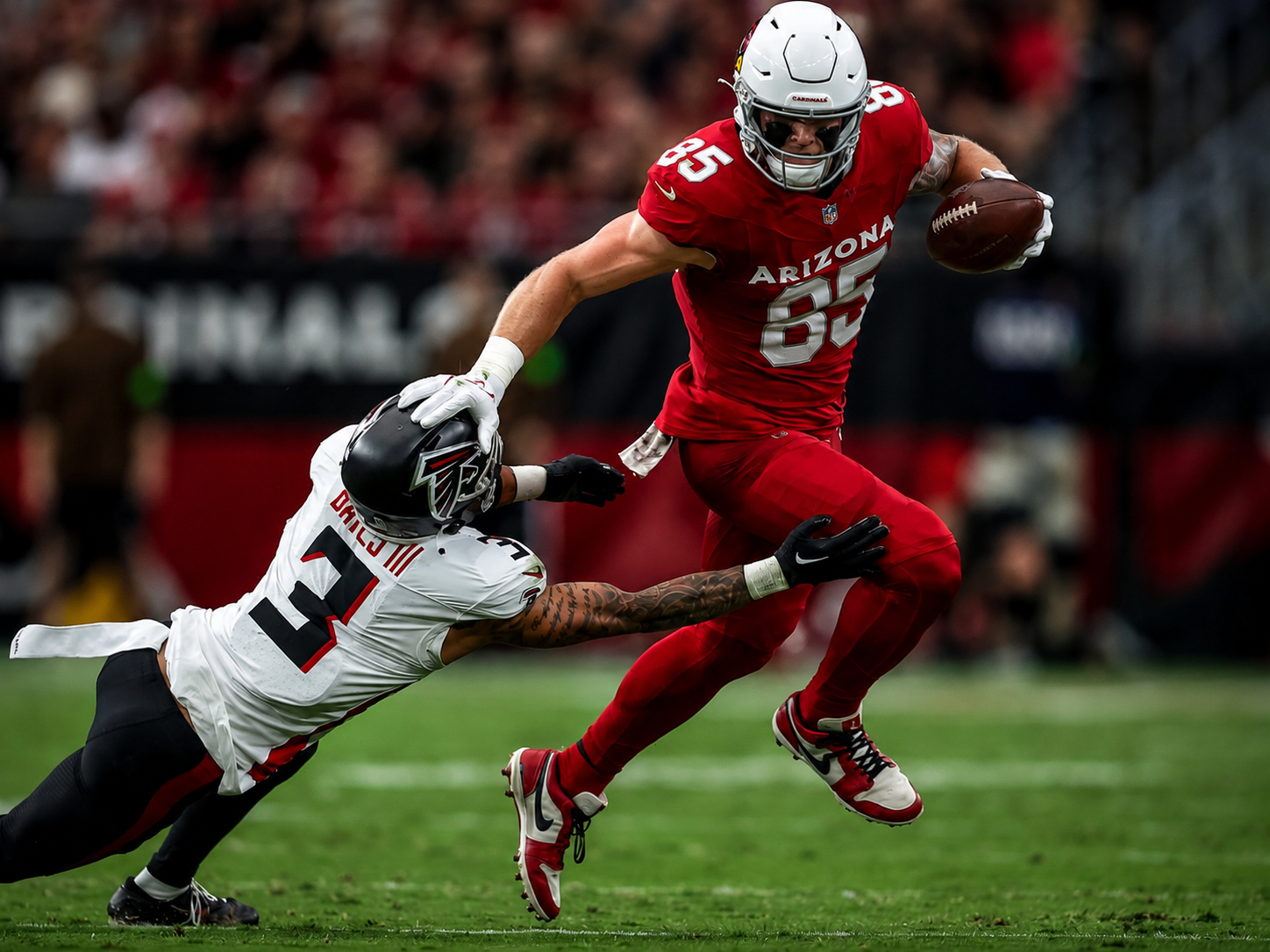
The Tight End Hoard: The NFL Went Heavy. Your Dynasty Roster Should Too.
For years, the default strategy at tight end was binary: either pay the premium for an elite difference-maker or punt the position entirely. It made sense. Outside of Travis Kelce, Rob Gronkowski, George Kittle and Mark Andrews, tight end felt like a weekly touchdown lottery. Most managers carried one, hoped for the best and moved on.
That logic is no longer holding up.
The NFL is getting heavier. More offenses are deploying multiple tight ends to create mismatches. More athletic pass-catchers are lining up detached from the line, motioned into space, aligned in the slot, used like oversized receivers who happen to qualify at a premium position. In heavy TE Premium dynasty leagues, the downstream effects on roster construction are significant.
The Numbers Don't Lie
Start with the 2025 production data, because it's jarring.
Tight ends across the NFL combined for 2,869 receptions, 3,970 targets, 29,094 receiving yards and 231 touchdowns last season. StatMuse lists 2025 as the highest tight end receiving-yardage season on record. In estimated PPR fantasy points, the position generated 7,245.3, that's roughly 560 points more than in 2024, and more than 1,200 points above the 2017 floor.
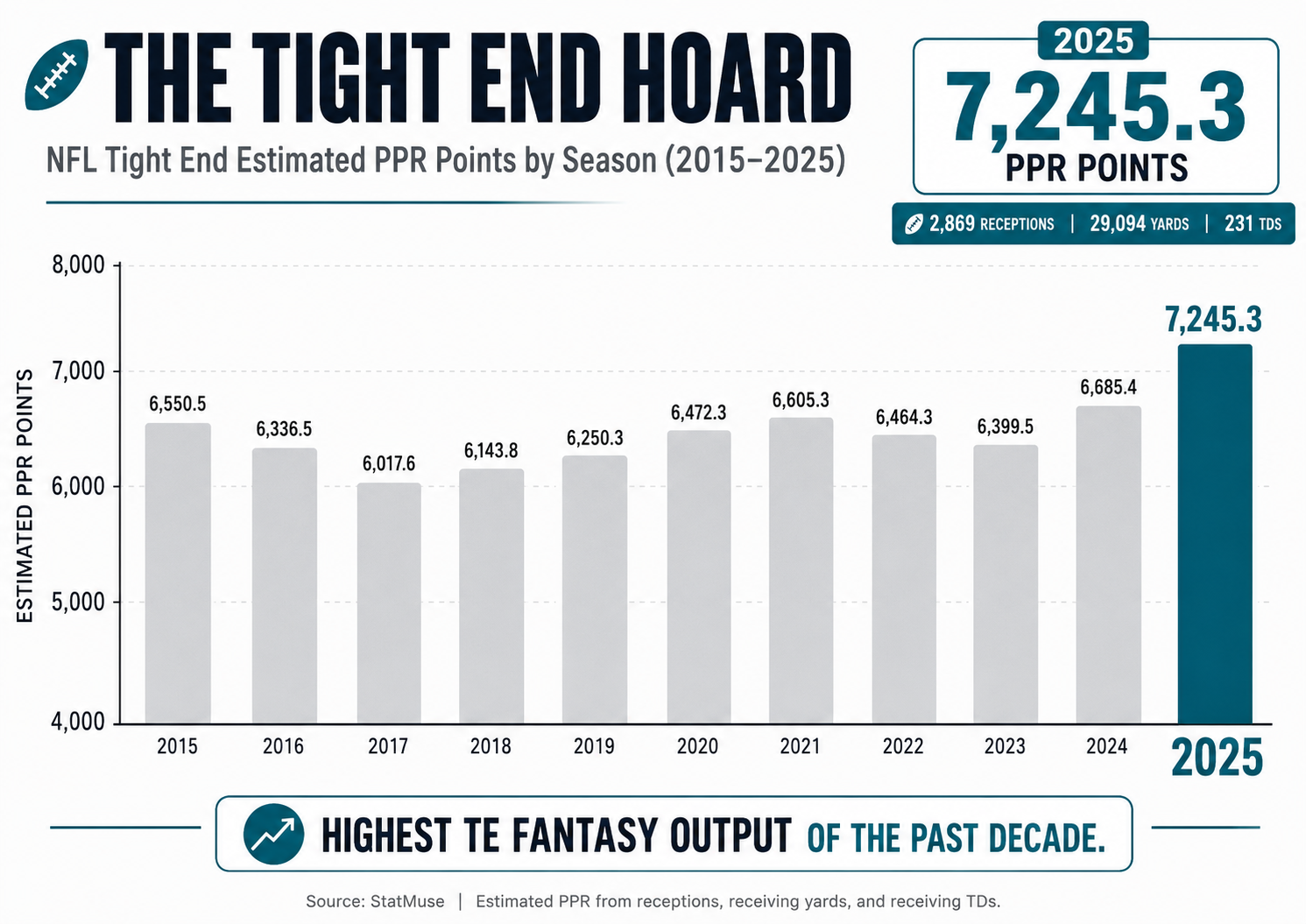
In a 0.75 TE Premium format, those 2,869 receptions add another 2,151.75 fantasy points to the position on top of standard scoring. In a 1.0 TE Premium format, that number climbs to 2,869 bonus points. This isn't a mild positional bump. It's a structural scoring change hiding in plain sight.
Heavy Personnel Isn't What It Used to Be
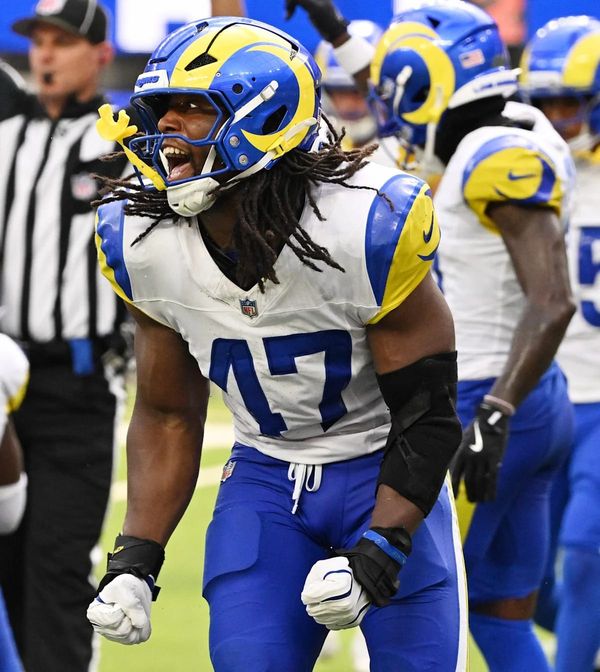
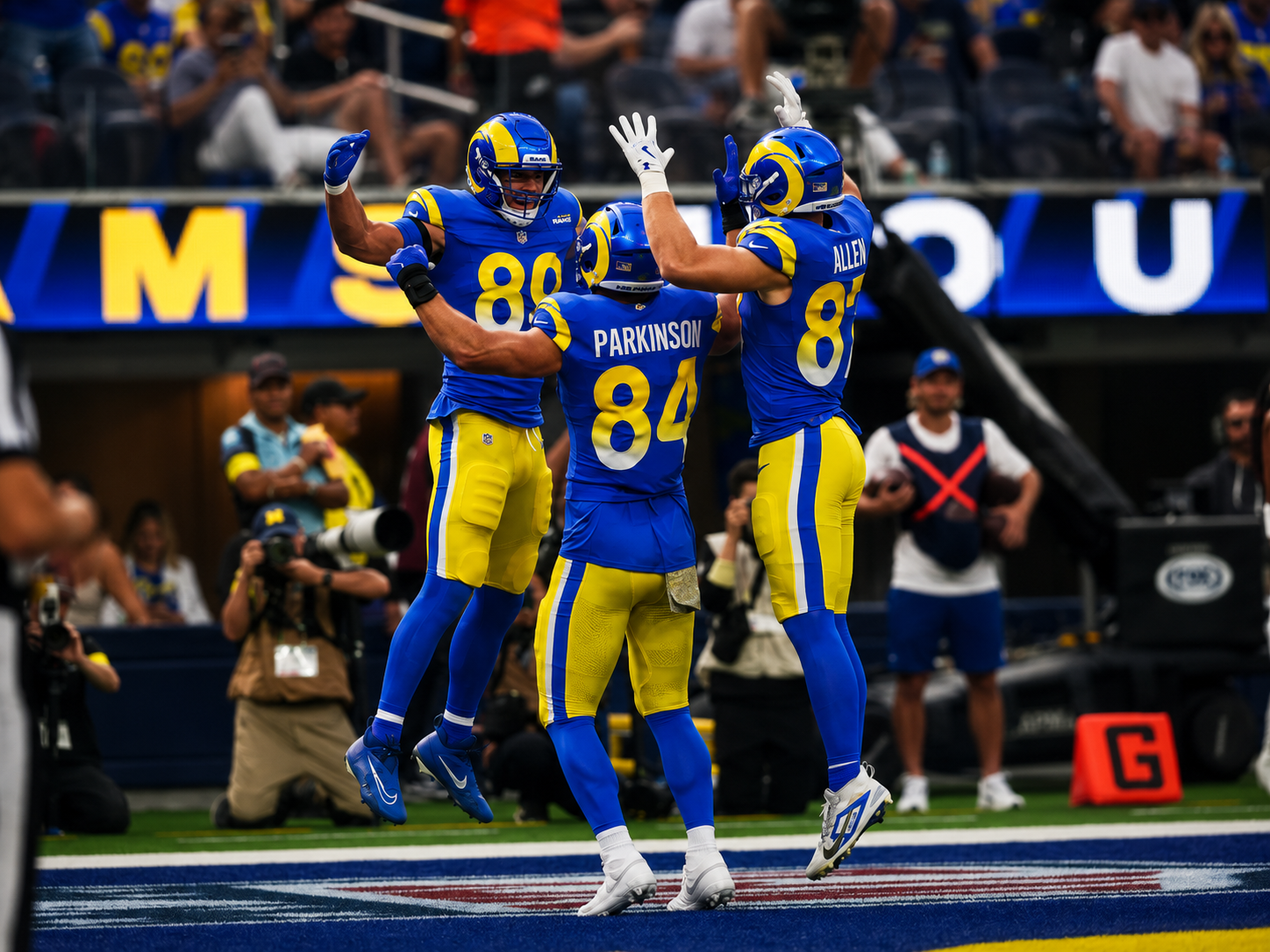
The Rams became the clearest example of this shift in 2025. Sean McVay's offense leaned heavily into 13 personnel, with three-tight-end formations designed to force defenses into uncomfortable looks and spring mismatches in space. Per SB Nation's draft analysis, the Rams led the league with 331 snaps in 13 personnel, and Matthew Stafford thrived in those packages.
The 2026 NFL Draft followed the trend. Twenty-two tight ends were selected- the most since 2002, as teams across the league invested in players who could anchor heavier personnel without sacrificing passing-game flexibility.
Here's the thing that often gets missed in those conversations: heavy personnel no longer means run-heavy and fantasy-hostile. The tight ends driving this shift are moveable chess pieces. They align inline, in the slot, in the backfield as H-backs, out wide in compressed formations. They create routes. They earn snaps in the red zone. They generate mismatches that defenses don't have clean answers for.
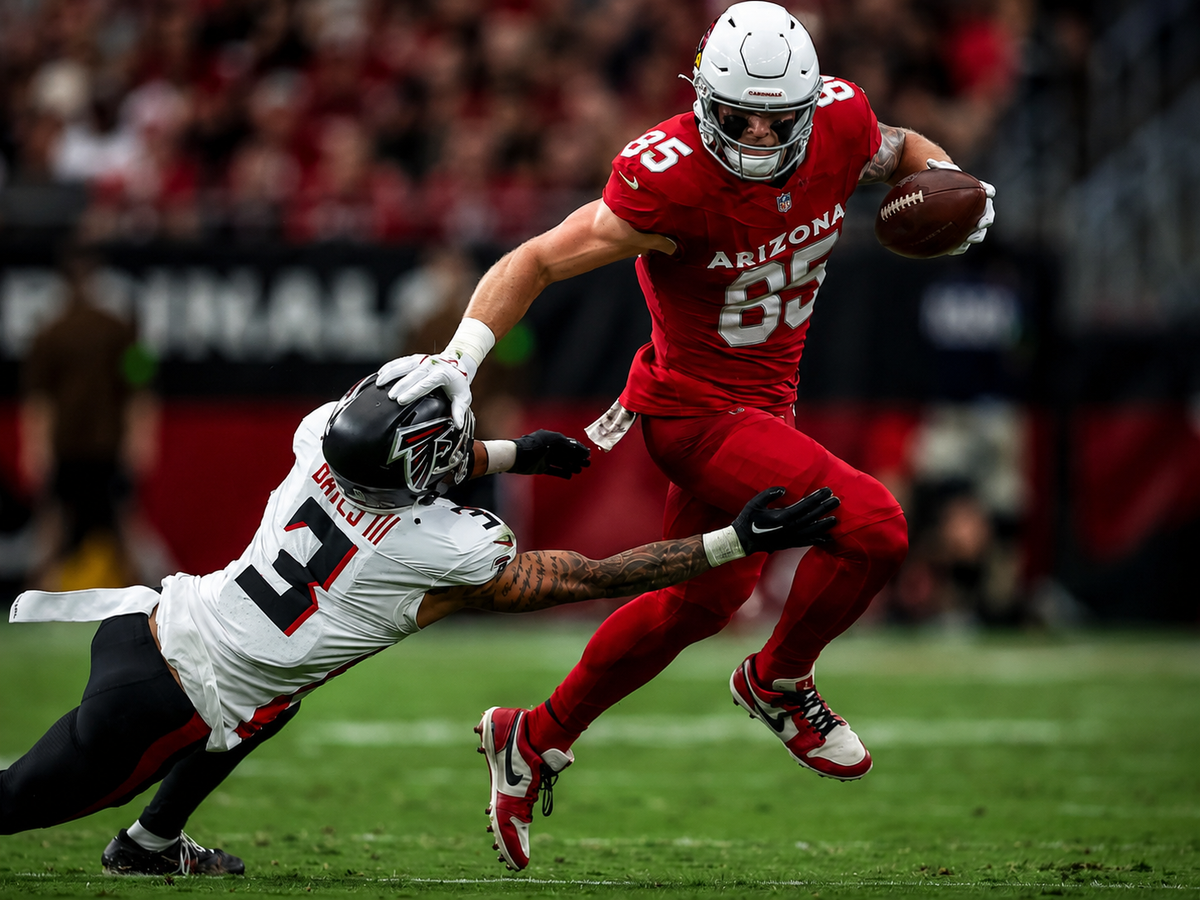
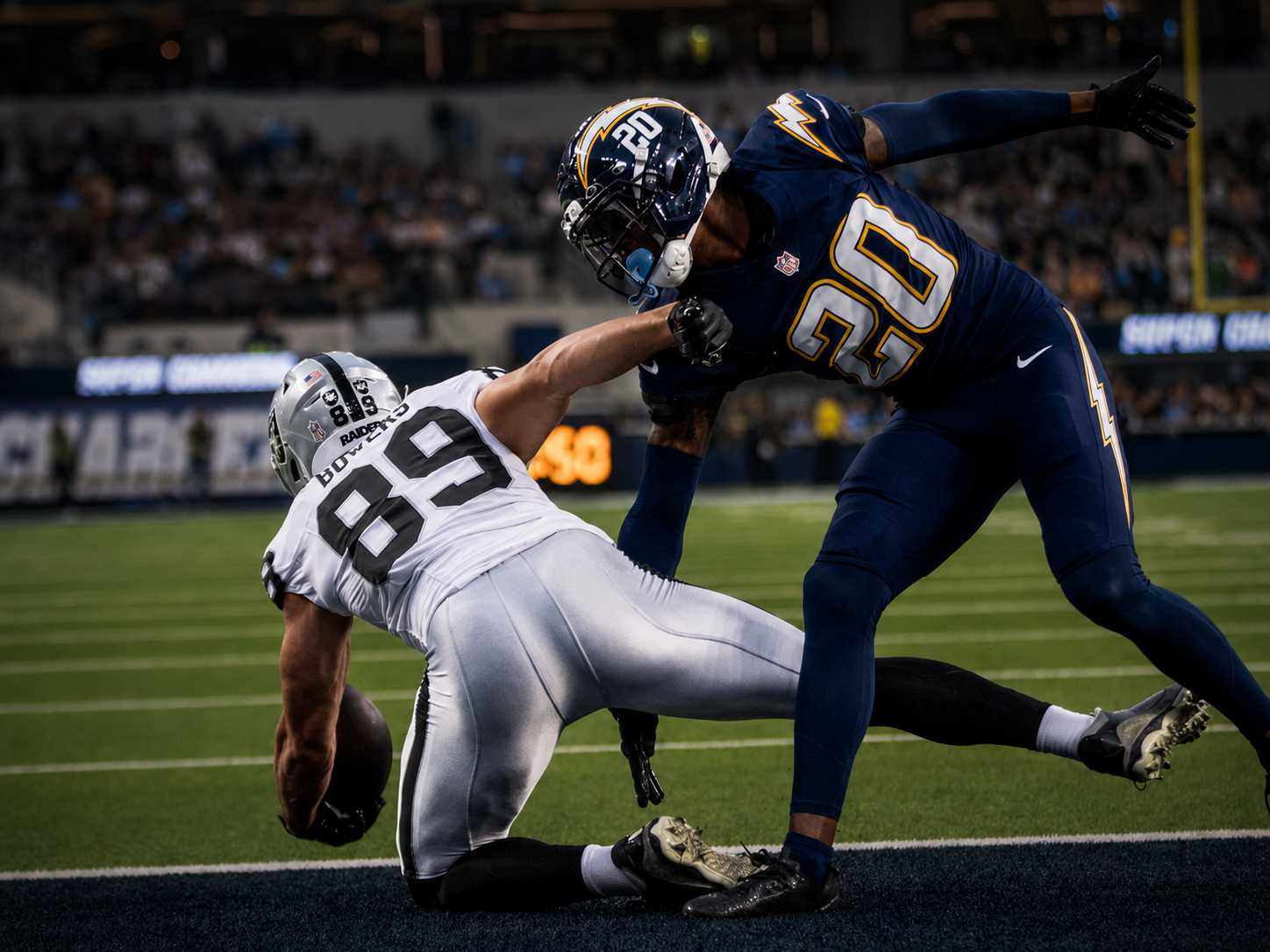
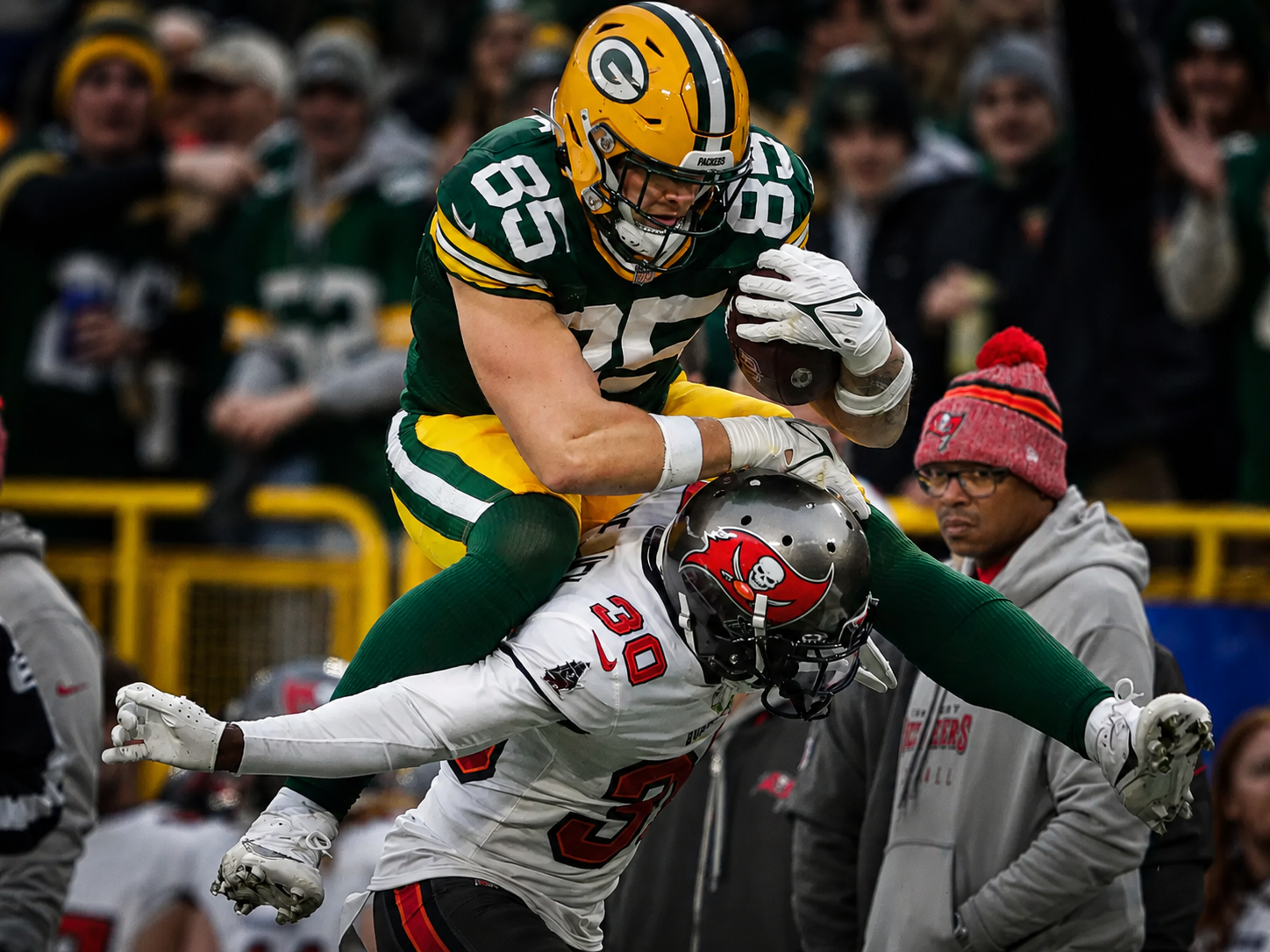
Brock Bowers is not a traditional tight end. Trey McBride is not just an inline blocker. Kyle Pitts, Colston Loveland, Tyler Warren, Tucker Kraft, Isaiah Likely, Dalton Kincaid, Terrance Ferguson, AJ Barner and Greg Dulcich are all arguments for why the old tight end bucket needs to be retired. Some are big slots. Some are vertical seam threats. Some live in the middle of the field. Some are red-zone weapons attached to offensive staffs using 12 and 13 personnel as a base package rather than a tendency-breaker.
The TE Premium Math Changes the Calculus
In standard PPR, tight end can still be treated as a onesie. You start one, carry a backup, and stream when things go sideways. Missing on the elite tier hurts, but you can survive.
In heavy TE Premium, that whole framework collapses.
When tight ends receive 1.75 or 2.0 points per reception, a 70-catch season at the position becomes a legitimate weekly flex asset. In 2.0 TE PPR, those 70 catches are worth 140 points before a single yard or touchdown gets added. The position stops being about survivability and starts being about attacking a scoring inefficiency that most rosters aren't built to exploit.
A good tight end doesn't have to produce like Ja'Marr Chase to beat a WR4 or RB4 in fantasy. He just has to catch passes at a position receiving a bonus. In the right format, that changes the entire valuation structure, not just for elite options, but for every startable tight end on the board.
Hoarding as Portfolio Strategy
In one 0.75 TE Premium league, I built a room of Tucker Kraft, Dalton Kincaid, AJ Barner, Isaiah Likely and Greg Dulcich. In a 1.0 TE Premium league, I drafted Brock Bowers, Kyle Pitts and Travis Kelce. My plan is to start of flex as many of them as I can.
That might look like excess. It isn't.
When you're working in formats where the reception bonus is real, you're not building a TE depth chart, you're building a market position. If my TE2 or TE3 is outscoring your WR4 because of the reception bonus, that's a weekly lineup edge I created at draft time. If I can flex multiple tight ends and still have startable assets on the bench, I'm not just building my own roster. I'm thinning the available supply for everyone else.
In dynasty, that leverage compounds. When a contender loses a tight end to injury, I want to control the supply. When a team realizes their TE slot has become a liability, I want them calling me. When a young tight end breaks out and the rest of the league is scrambling, I want to already be holding the asset.
The hoard isn't just about accumulating points. It's about positioning.
This Goes Deeper Than the Elite Tier
Bowers and McBride are in a different category. There's no argument there. A fully healthy McBride or Bowers in a premium format creates a weekly scoring gap that feels structurally unfair.
But the broader opportunity is further down the board, where the market is still slow to adjust.
The Rams became the loudest example of where the league is headed. In 2025, Los Angeles ran 331 snaps out of 13 personnel, a 30.5% rate that led the NFL by a wide margin and more importantly, it worked. The Rams generated 77.43 EPA from those packages, averaged 6.2 yards per play and scored 32 touchdowns out of that grouping. This wasn't window dressing or a tendency teams could game plan around. It was an offensive identity.
Seattle showed the same idea from a different angle. The Seahawks leaned into 12 personnel, running 303 plays from that grouping and generating 57.26 EPA, the second-best mark in the league. Seattle used heavier sub-packages on 54.2% of its plays and averaged a league-best 7.5 yards per play out of 12 personnel. Modern heavy football isn't about adding blockers and grinding. It's about forcing defenses into uncomfortable personnel decisions and then attacking them through the air before they can adjust.
Buffalo adds the fantasy-specific layer. Dalton Kincaid and Dawson Knox each finished with 49 targets in 2025; two tight ends on the same roster carving out usable roles in the same offense. That's what happens when a team builds around multiple looks and commits to it.
Three franchises, three different approaches, same conclusion: tight ends are no longer just formation fillers. They're matchup weapons, formation tools and fantasy-relevant assets, sometimes two or three at a time on the same depth chart.
Dynasty managers have spent years assuming tight ends take forever to develop and rarely crack into meaningful production. That's still partially true. But the NFL is drafting more athletically diverse tight ends, using them in more creative ways, and building more fantasy-relevant roles through personnel diversity. The developmental curve hasn't flattened, but the ceiling for what a TE2 or TE3 can become in the right situation has quietly risen.
Kraft can be a target-earning YAC weapon. Kincaid still has a path as a post-hype receiving option. Barner can emerge in heavier packages. Likely has the athletic profile and contract investment to warrant a real role. Dulcich is a cheap bet on an offense that needs targets distributed somewhere. Pitts still has elite upside attached to a body that doesn't come around often. Kelce is old, but he can still generate usable production in a premium format. Bowers is already the clear-cut answer in Las Vegas.
None of that is random accumulation. It's a targeted portfolio built around a scoring structure most rosters aren't equipped to attack.
The Risk Is Real — Build Accordingly
This strategy can absolutely go sideways. If your league doesn't have enough flex spots, stacking tight ends clogs your roster. If you draft blocking-only profiles, you're burning bench space. If your league mates won't trade, the leverage takes longer to materialize. And if you chase too many tight ends at the expense of quarterback, receiver or running back value, you can win the position battle and still lose the war.
The point isn't to draft every tight end. The point is to draft the right profiles in the right formats- athletic pass-catchers, players with route participation upside, tight ends connected to creative play-callers, young players with real draft capital, veterans with clearly defined weekly roles.
You want players who can score in your flex. Not players who are just surviving in your TE slot.
This approach works best in deeper dynasty leagues, start-10 or deeper formats, multiple-flex builds, and particularly leagues running 0.75 or 1.0 TE Premium. In shallow leagues with a single flex, the edge shrinks. In standard PPR, it's more fragile. But in heavy premium formats, the scoring structure pushes the position into an entirely different strategic category.
The Bigger Picture
The NFL is shifting. Tight ends produced more in 2025 than any season in the past decade, and the front offices are responding with 22 tight ends drafted in 2026, more than in any class since 2002, by teams actively building to live in heavier personnel.
Dynasty managers have spent years treating tight end as a position to survive- start one, hope he stays healthy, fill the rest of the roster elsewhere. That approach worked when the position was genuinely thin. It doesn't work anymore, not in a format paying out 1.75 or 2.0 points per reception, and not in a league where the NFL itself is investing more capital and more snaps into the position than it has in a decade.
I'm not stockpiling tight ends because it feels clever. I'm doing it because the math supports it, the league trends support it, and most of my leaguemates haven't adjusted yet. That gap won't last forever. It rarely does once enough rosters start hitting on the right names.
But it's open right now. And I'd rather be early.
Explore The Lab.