Redefining the Capital: How Daronte Jones Will Reshape the Commanders' Defense
Defense
LAB REPORTS
Daronte Jones Is About to Make Life Miserable for the NFC East
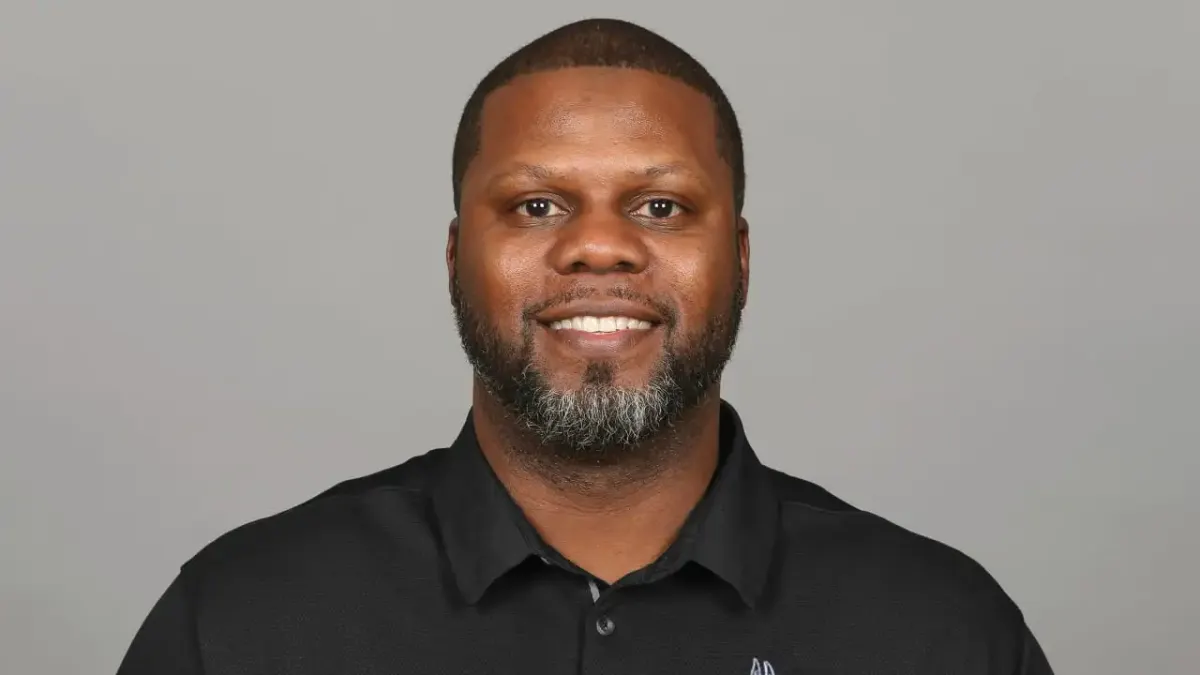
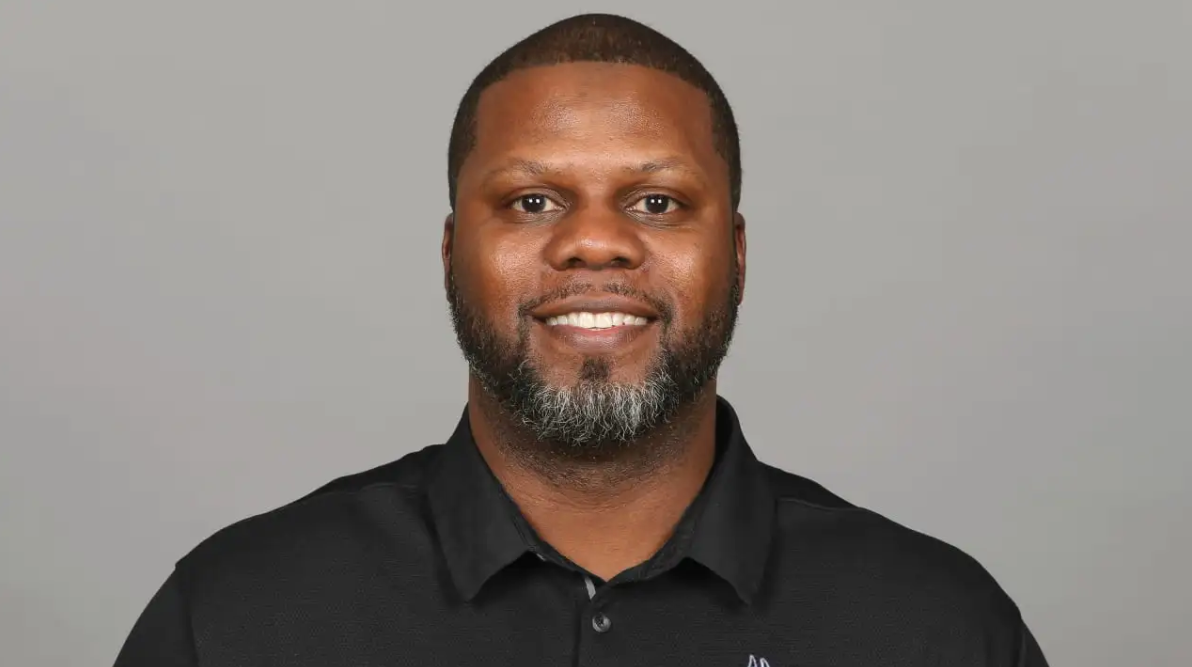
There's an old coaching adage that you build a great defense from the back end forward. If that's true, Dan Quinn just found his architect.
When Quinn hired Daronte Jones as Washington's new defensive coordinator, it wasn't just a hire — it was a homecoming. Jones grew up in Capitol Heights, Maryland, played his college ball at Morgan State, and is now coming back to the DMV with a reputation as one of the better secondary minds in football.
In the database, that hire grades out at 75.7/80.5, good for No. 17 among coordinators nationally. But the numbers undersell it a little. To really get what this defense is going to look like on Sundays, you have to understand how Jones' system meshes with what Quinn already runs.
Where Jones Comes From
Before Washington, Jones spent years building a track record at both the college and NFL level, most recently running the secondary and passing game for Minnesota. The tape backs it up:
Takeaways. In 2024, Jones' Vikings secondary tied for first in the NFL with 33 total takeaways and led the league outright with 24 interceptions.
No cheap shots downfield. His units are brutal on vertical passing games — Minnesota finished first in the NFL in fewest 20+ yard completions allowed and second in total passing yards allowed (158.5 per game).
Players get better under him. Camryn Bynum posted a career-high 137 tackles in 2023. Patrick Peterson had a late-career renaissance in 2022 with 5 picks. Byron Murphy Jr. made the Pro Bowl in 2024 with career highs in tackles (81) and interceptions (6). Go back further and Jones was the one developing Derek Stingley Jr. at LSU before he went third overall.
The through-line is eyes, leverage, and anticipation — Jones doesn't hand his guys a static shell and tell them to sit in it. He adjusts the coverage to fit the athletes he has and lets them play fast.
How This Actually Changes Washington's Defense
Quinn's still calling the plays — that part doesn't change. But Jones gives him something he didn't have: someone to modernize the back end while Quinn keeps building his physical, gap-disciplined front.
That front is no joke on its own. In his best years calling plays in Dallas, Quinn's units led the NFL in total pressures (337) and sat in the top 10 in defensive grade. The idea is simple even if it's hard to execute — take away the run, force the offense into obvious passing situations, and let Jones' late-rotating safeties and ball-hawking DBs eat.
A few things worth watching:
Nick Cross becomes the new Josh Metellus. In Minnesota, Jones weaponized Metellus by moving him all over the formation. Expect Cross to get that same treatment in Washington — his range and physicality give Jones room to disguise looks that Quinn can dial pressure off of.
More disguise, more confusion. Washington's defense has been too predictable in recent years. Jones leans hard on post-snap rotation — a safety who looks like he's crashing on the run at the snap might bail into a deep zone instead, or a corner playing off suddenly presses. That half-second of hesitation is exactly what guys like Daron Payne need up front.
Takeaways are the whole identity. Not just a stat Jones tracks — it's the point of the scheme. Expect heavy ball-drill emphasis and DBs whose eyes are locked on the quarterback, hunting intermediate throws.
What It Means for the Rest of the Division
A DC hire like this, paired with a legitimately good front, doesn't just change Washington — it ripples through the whole NFC East. For dynasty purposes, a takeaway-first, disguise-heavy scheme like this changes how you should think about weekly upside, turnover risk, and offensive efficiency across four teams.
Dallas Cowboys
Dak Prescott has made a living picking apart predictable defenses. Jones doesn't give him that — disguised coverage means Dak has to process post-snap instead of pre-snap, which tends to cap the big, easy plays in these division games.
CeeDee Lamb and George Pickens should expect bracket coverage. Jones is good at identifying a team's number one target and shading safety help over the top of him. Lamb will need to live underneath and in the slot; Pickens' vertical, contested-catch profile gets a lot tougher to trust here.
Javonte Williams runs into a wall up front with Quinn's gap-disciplined line clogging things up. His best path to production in these games is as a checkdown option out of the backfield, since Jones' deep safeties are happy to concede the underneath stuff. If Dallas can't win on the edge, it's going to be a slog on the ground.
New York Giants
Jaxson Dart has the dual-threat upside to stay fantasy-relevant no matter what, but young quarterbacks are exactly who this scheme is built to confuse. His rushing floor keeps him safe; his turnover risk through the air spikes against Jones specifically.
Malik Nabers is a legit alpha, but he's also going to be the focal point of the game plan every time these teams meet. Expect safety help shaded his way, which keeps his volume — and floor — intact even as the explosive plays get harder to find.
Isaiah Likely might be the beneficiary here. With Nabers drawing the safety attention, there's room underneath for a physical mismatch tight end to work the middle on sit routes.
Cam Skattebo is going to have a hard time. Quinn's front is built to absorb double teams and punish inside runners, which is exactly Skattebo's game. The light boxes on paper won't matter much if he can't get through the first level clean.
Philadelphia Eagles
Jalen Hurts always has his legs as the equalizer, but through the air, Jones is going to force him into tighter, more disciplined throws outside the numbers. These games turn into more of a chess match than a track meet.
DeVonta Smith should hold up fine against zone — his route-running is too clean. But against DBs trained to react fast off the quarterback's eyes, he'll likely need to lean on quick-separation routes rather than the long-developing stuff.
Saquon Barkley is the name to watch. Quinn's aggressive, upfield front can be vulnerable to backs who can bounce runs outside, and Barkley's lateral quickness is about as good as it gets at that. Combine that with Jones' deep safeties taking away Hurts' vertical shots, and Barkley becomes the high-frequency safety valve who turns a routine checkdown into a chunk gain.
Makai Lemon is the rookie worth knowing here. His separation skills and toughness after the catch make him a quiet source of PPR volume underneath while Smith and Barkley draw the defense's attention elsewhere.
Explore The Lab.