Stop Making These Startup Draft Mistakes
Read this before your draft.
LAB REPORTS
Most managers walk into a startup draft with a plan, But should you do this?
Some want to build a very young roster, others want to gather future draft picks and trade back whenever possible. And some take the win now approach and are set on contending right away.
The problem is that startup drafts almost never go with your plan. Players fall, managers reach, trades happen. The managers who end up building the best roster are not the ones who stick to a predetermined plan, they’re the ones who see value as it comes and adjust as the draft goes on.
I am going to walk you through when you should trade back, trade up, and when you should just stay and make the pick.
Trading Back Is a Tool, Not a Strategy
Trading back works because startup managers often become obsessed with specific players.
When someone falls in love with a player or wants to secure the final player in a tier, they're almost always willing to pay a premium to move up to get him.
This is where dynasty value is created.
Imagine you're drafting from the 8 spot in a Superflex startup. The board has already seen Josh Allen, Jayden Daniels, Drake Maye, Puka Nacua, Jahmyr Gibbs, Ja'Marr Chase, and Bijan Robinson come off the board.
You have Caleb Williams, Brock Bowers, and Jaxon Smith Njiba all ranked similarly. If another manager wants to jump ahead of you for their preferred player and is willing to add a future first round pick, trading back would make sense in this situation.
Why?
Because you're still drafting from the same tier of players while also gaining an additional premium asset that will gain value over time.
The goal isn't simply moving back. The goal is getting paid while still maintaining access to players you value similarly.
The Dynasty Community Has Become Too Obsessed With Trading Back
One of the biggest mistakes managers make is treating every draft pick like an opportunity to gain value. Eventually, you have to build a roster.
There are moments when the correct move is simply just to make the pick and take that player.
Let's say you're drafting in a tight end premium league and Brock Bowers falls into the middle of the second round (this should NEVER happen) Your inbox fills with trade offers of managers wanting to move up.
If you pass on Bowers and move down some spots, are you truly improving your team? Or are you chasing theoretical value while giving up a player who could anchor your lineup for the next decade?
Sometimes the best value move is to just not to over think it and make the pick.
The Most Underrated Startup Strategy: Trading Up
Managers see future picks leaving their roster and immediately assume they've overpaid. But honestly moving up can actually be the cheapest move if you are looking at a tier break.
Consider a startup where you've selected Puka Nacua in Round 1. As Round 2 goes on, your league mates go on a massive QB run and your plan to get a guy later is not looking good.
Justin Herbert is the final quarterback you view as a foundational QB1.
You currently hold pick 2.12.
Herbert is available at 2.08.
The manager at 2.08 wants a future pick to move back four spots.
Most dynasty managers immediately focus on the cost. But the better question is what happens if you don't make the trade. Now you're entering Round 3 still needing an QB1 and selecting from a much weaker tier of players. And you start to think maybe a QB will fall to you later since your league mates already went on that big QB run. But what happens when they don’t wait and start going on another QB run. The value isn't in the trade itself. The value is avoiding the drop off.
Trading up makes sense when the cost of missing a tier makes up for the price of getting the player.
League Settings Should Drive Your Decisions
Start 10 Leagues
In Start 10 formats, elite players matter more than having a ton of depth players.
Managers only need to fill ten lineup spots each week, which means the elite players create a bigger weekly advantage. Because of that, trading up becomes a lot more appealing in a format like this. Elite quarterbacks become more valuable.
If you can get a true difference maker at a reasonable cost, it usually makes sense to prioritize quality over quantity.
Start 14 Leagues
Start 14 formats create an entirely different way of playing. Depth is VERY important. Managers must fill four additional starting spots every week. Those extra lineup spots makes that late round WR you are targeting a lot more important. In these leagues, trading back becomes much more appealing.
Future Rookie Picks Matter More Than Most Managers Realize
The dynasty community consistently undervalues future firsts during the start of a new startup.
Most managers believes they are building a contender, so they assume their first round pick will be a late one.
Future firsts should be treated as premium assets. If you're moving back and getting future firsts, you're often increasing your long term flexibility while staying competitive.
If you're moving up and sending future firsts, the player you're acquiring should be a true cornerstone asset.
A Simple Startup Draft Framework
When you're on the clock, ask yourself these simple questions👇🏼
- Am I moving within the same tier of players?
- How does this move affect my roster based on league settings?
- Is the value I'm gaining greater than the value I'm giving up?
Final Thoughts
The best startup drafters aren't committed to one strategy. They're committed to finding VALUE.
Sometimes value means collecting future assets and moving down the board.
Sometimes value means drafting Brock Bowers when everyone else wants to send you a trade to move up.
Sometimes value means paying a future pick to secure the final quarterback in a tier.
The managers who consistently win dynasty leagues aren't the ones following a predetermined strategy. They're the ones identifying where value exists and changing their strategy when the board gives them an opportunity.
Explore The Lab.


Recent Lab Articles.
Read more
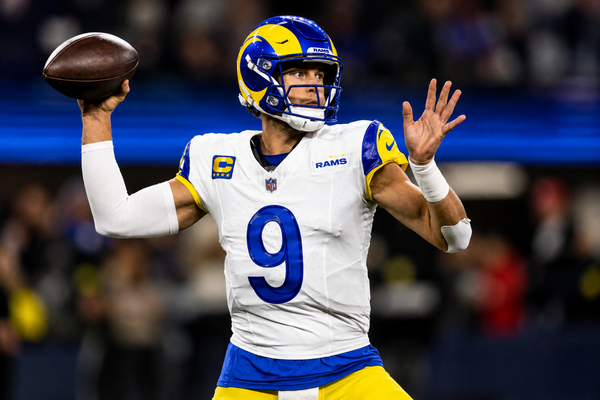
NFL defenses are messing with your fantasy roster.
The NFL passing game has been declining for five straight years. It's not a fluke or a bad run of quarterbacks; defenses have just changed the math. Understanding why tells you exactly which positions to attack in 2026 fantasy drafts.
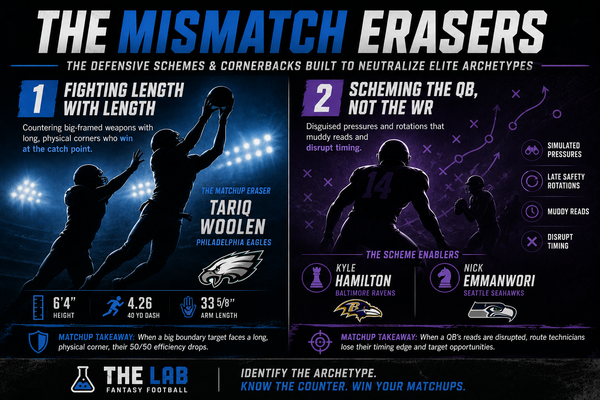
The Mismatch Erasers: The Defensive Schemes and Cornerbacks Built to Neutralize Elite Archetypes
Insight on offensive players from the defense's perspective
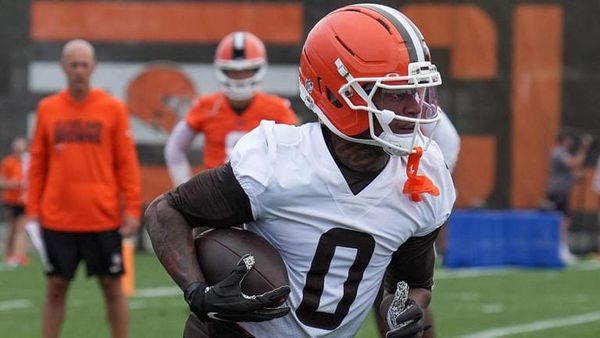
Deep Dive: Isaiah Bond
Does the Browns’ Speedy WR Have Real Dynasty Potential?
Bullpen Stock Watch
7/13