
Meet Bo Lowrance, the high upside prep bat the Dodgers bet on at No. 40
The new Dodgers draft pick

LAB REPORTS
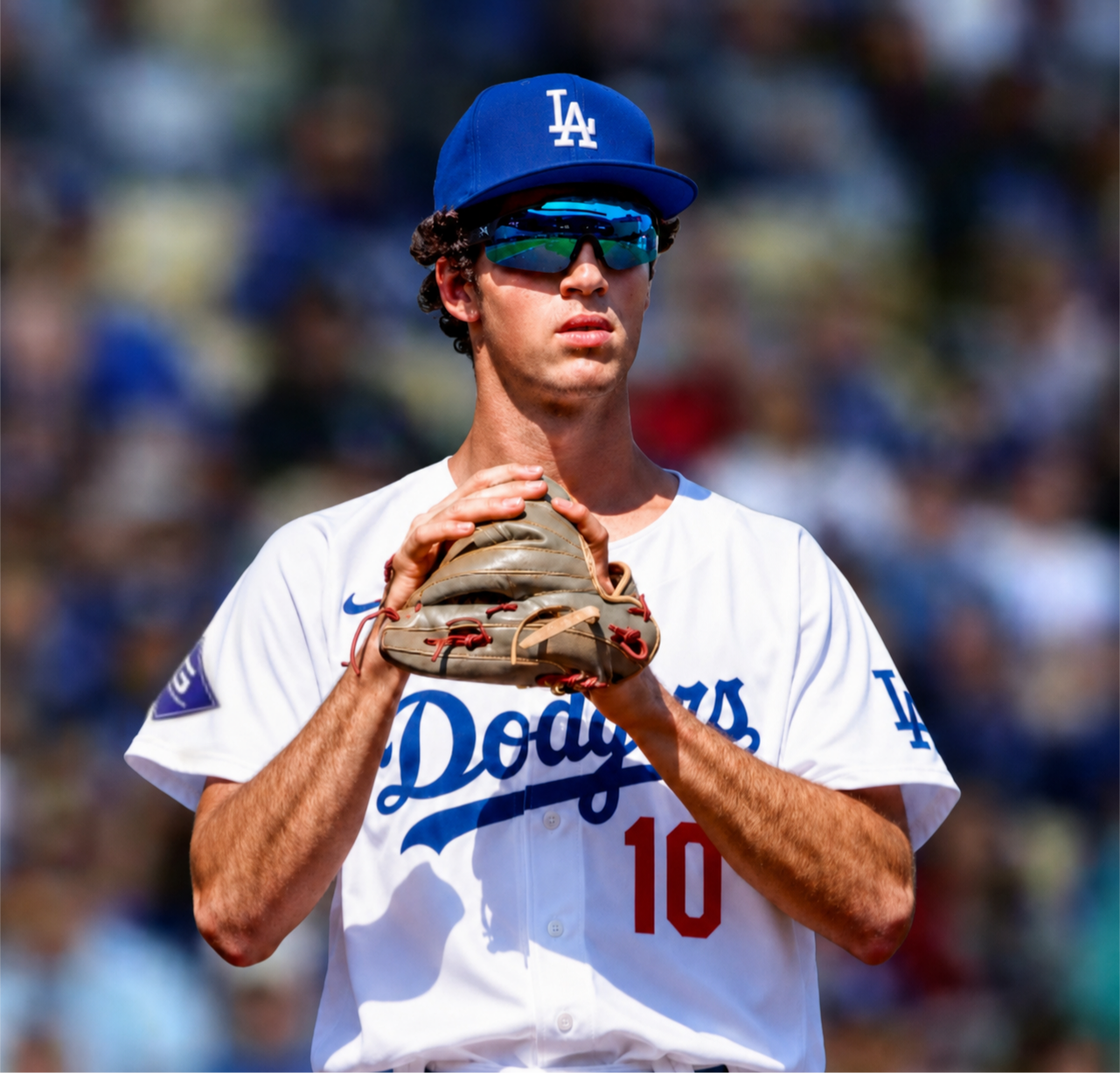
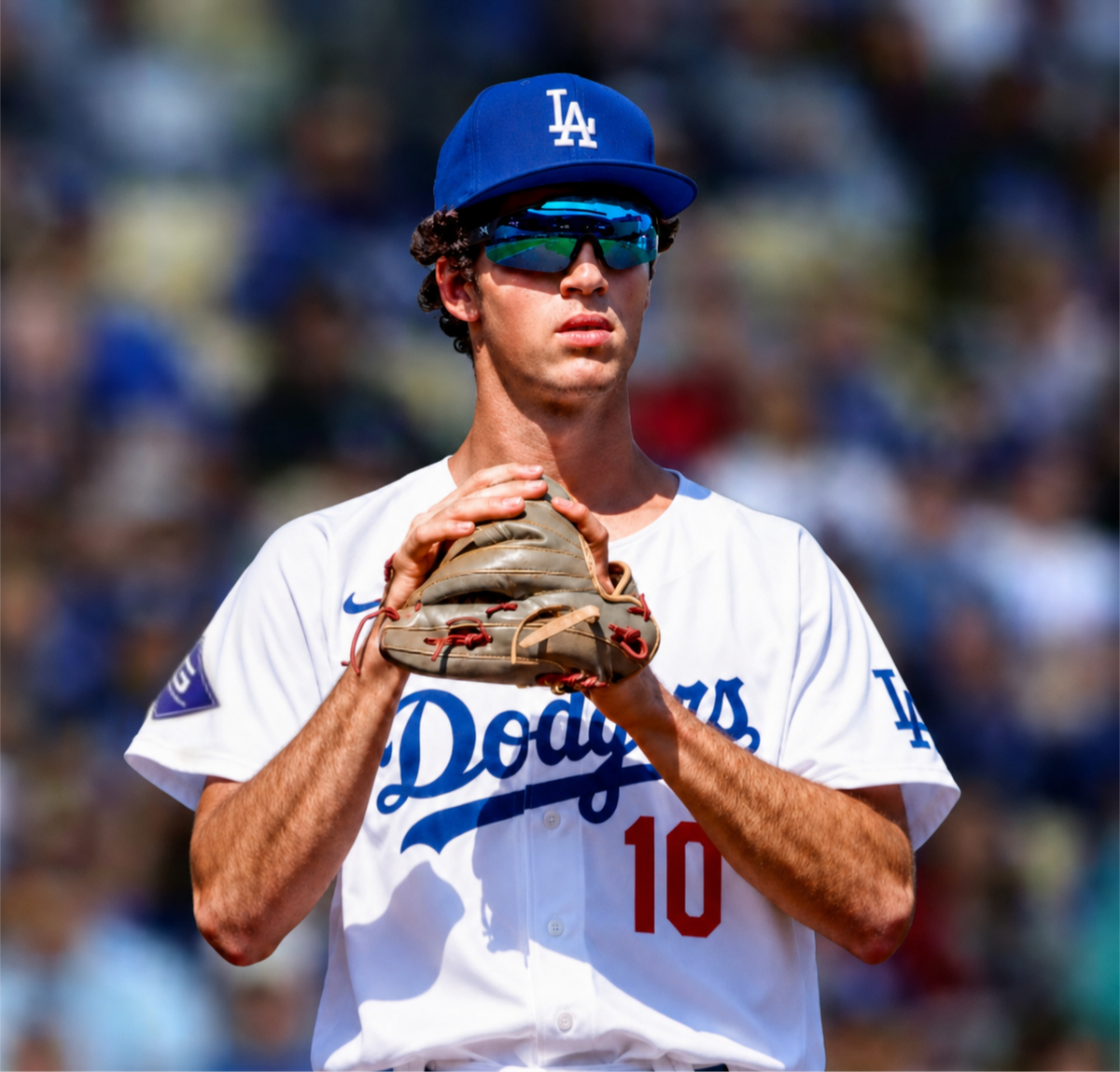
The Dodgers had an opportunity to add premium talent near the top of their heavily penalized 2026 MLB Draft. They had a shot and took it on Bo Lowrance, a 6 foot 5 left handed hitter with one of the more intriguing combinations of bat to ball skill and power projection in the high school class.
Los Angeles has their draft pick pushed back 10 spots for exceeding the Competitive Balance Tax surcharge threshold. The Dodgers also forfeited their second, third, fifth and sixth round selections after signing Kyle Tucker and Edwin Díaz, both of whom rejected qualifying offers.
Those penalties left the Dodgers with only two selections through the first four rounds and an MLB low bonus pool of $3,951,900.
With the 40th pick, they selected William “Bo” Lowrance out of Christ Church Episcopal School in South Carolina. The Dodgers officially announced him as a shortstop, which is where Lowrance spent much of his amateur career, although most scouting outlets project him to third base as he fills out (with some even more convinced he's a first baseman long term).
Lowrance was ranked No. 21 by MLB Pipeline, giving the Dodgers a player who had been viewed as a potential first round selection well before their pick came up. He is committed to Virginia, so signing him will require a meaningful portion of the Dodgers’ already limited pool.
The assigned value of the 40th pick is $2,504,200, more than 63 percent of their entire bonus pool. Lowrance’s bonus has not been reported, so it is too early to officially call him an overslot signing (but I think it will be). The selection feels aggressive for an organization with so little money and draft capital available.
The Dodgers have often used an early pick to create savings, then redirected that money toward talented players later in the draft. That path is much harder this year because so many of their early selections are gone. Taking a Virginia committed high school player suggests they valued Lowrance enough to concentrate much of their available spending power on him.
A hitter first
Lowrance already stands 6 foot 5 and weighs around 200 pounds, but his offensive reputation is built around much more than his frame.
Scouts consistently praise his ability to control an at bat, recognize the strike zone and make contact against quality pitching. His left handed swing is smooth and relatively compact for a hitter with such long levers. He stays through the hitting zone, uses the entire field and rarely looks rushed.
During 22 Synergy tracked games on the 2025 showcase circuit, Lowrance hit .474/.515/.614 with a 20 percent miss rate and a 17 percent chase rate. Those numbers came against some of the best high school competition in the country.
A separate 71 plate appearance sample shared by draft evaluator Joe Doyle tells a similar story. Lowrance ranked in the 80th percentile for overall contact, the 83rd percentile for contact inside the strike zone and the 76th percentile for chase avoidance.
That is an unusual foundation for a high school hitter with this much physical projection and likely caught Dodgers scouts eyes who saw a kid who had they "clay" they would just love to get their coaches hands on to mold into an impact bat.
The clearest concern is that Lowrance has not yet converted all of his size and raw strength into game power. He ranked in the 34th percentile in fly ball rate and produced a .129 isolated slugging percentage in Doyle’s sample. His current swing creates plenty of hard line drives, including frequent contact toward the middle and opposite field, but he does not lift the ball consistently.
There are signs that the power is coming. When he gets the ball into the air toward his pull side, he can already produce damage. The next step is creating that contact more frequently.
His measured bat speed landed in the 37th percentile, another area where added strength and physical maturity could help. Evaluators still project 25 to 30 home run potential because of his leverage, extension and remaining room to grow.
The Dodgers have experience with a similar developmental challenge. Josue De Paula entered professional baseball with a smooth left handed swing, an advanced approach and a tendency to use the opposite field. Los Angeles has helped him gradually create more lift and pull side damage while maintaining the plate discipline and contact ability that made him special.
Lowrance is a different player and will need his own plan, but the broad objective is familiar. The Dodgers will try to unlock more power without disrupting the approach that already makes him such a good hitter.
Freeman’s approach, Olson’s power path
Lowrance’s offensive style has drawn comparisons to Freddie Freeman. The connection comes from his smooth left handed swing, controlled at bats and willingness to put the ball in play across the entire field.
Lowrance has embraced that comparison. He studies Freeman’s intent and the way he manages plate appearances rather than trying to force damage on every pitch.
He also studies Matt Olson, particularly Olson’s swing path and the way he grew into significantly more power after signing out of high school. Lowrance wants to retain the all fields approach he admires in Freeman while developing more lift and pull side power as his body matures.
That balance will probably determine his offensive ceiling. His contact ability and strike zone control provide a strong starting point. How much power the Dodgers can layer onto that foundation will determine whether he develops into a solid regular or something considerably more impactful.
Where will he play?
Although the Dodgers drafted Lowrance as a shortstop, third base remains his most likely professional home (with first base being a safer defensive "floor").
Lowrance believes he can stay on the left side of the infield and has made improving his athleticism a priority. Scouts have been encouraged by his movement, footwork and hands, while his above average arm should fit comfortably at third.
His body will ultimately decide the issue. Lowrance is still thin for his height and expects to add considerable weight. If that growth costs him too much quickness, first base or a corner outfield position could become possibilities.
For now, the Dodgers have every reason to let him develop at shortstop and third. There is little benefit in moving an 18 year old down the defensive spectrum before his body has finished developing.
A rapid rise
Lowrance was not included in MLB Pipeline’s initial Top 100 draft prospects or its first update. He entered the rankings when the list expanded in late April and continued climbing until he reached No. 21.
He believes part of that late rise came from attending fewer showcases than many prominent prep players. The other factor was physical development. Lowrance added significant strength over the past year, allowing the power scouts had projected to begin appearing more regularly.
His path to becoming a premium draft pick stretched across several states. Lowrance was born in Tennessee, moved to New York as an infant, grew up around Salt Lake City and relocated to South Carolina during the pandemic. Baseball helped him meet people and build friendships after each move.
While living in Utah, he frequently attended Salt Lake Bees games and remembers watching a 20 year old Mike Trout play there in 2012.
Away from baseball, Lowrance enjoys bass fishing, fly fishing, bow hunting and skiing. He believes hunting has helped him develop patience, control his heartbeat and remain calm under pressure. Those qualities are easy to connect to the composed approach scouts see in the batter’s box.
Lowrance also takes his physical development seriously, including his sleep and recovery habits. He understands that adding the right kind of weight while preserving his athleticism will shape both his offensive ceiling and defensive future.
“I’m still pretty thin right now and I’m growing,” Lowrance said before the draft. “Not a day goes by that I’m not doing something to get better.”
The Dodgers had very little margin for error with their top selection. They chose a hitter who already controls the zone, makes contact against strong competition and has considerable room to grow into his frame.
The immediate work is clear: create more lift, access more pull side power and preserve the qualities that already make Lowrance one of the most advanced prep hitters in the class.
With their only premium pick, the Dodgers took a real swing for a player they could dream on. Time will tell if it pays off, and Lowrance can make his impact on this storied franchise.
Explore The Lab.


Recent Lab Articles.
Read more
Bullpen Stock Watch
8/27
Bullpen Notes
8/26
Dynasty Formula Scouting Report: Matthew Golden (WR, Green Bay Packers)
The Formula Is Simple: Buy the Prospect, Not the Rookie Stat Line
Sucks at Baseball: AL West Pitchers Edition
Hey your favorite article is back as I dive into the AL West Pitchers that Suck at Baseball. Some suck so much they got two guys on the list! Let’s see who!